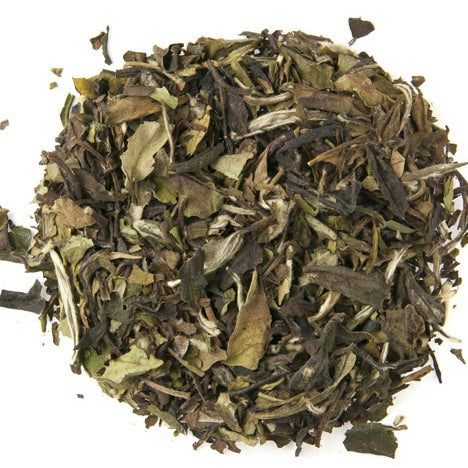

White Tea: Delicate, Ancient, and Packed with Benefits
When it comes to tea, white tea is often the understated star of the lineup. With its subtle flavor and minimal processing, white tea offers a gentle introduction into the world of fine teas — but don’t let its delicate nature fool you. Behind its soft aroma and light liquor lies a powerhouse of antioxidants, health benefits, and centuries of tradition.
What Is White Tea?
White tea is one of the oldest forms of tea, originating in the Fujian province of China. What makes white tea unique is its minimal processing: young tea buds and leaves are simply harvested and allowed to wither and dry naturally. This light treatment helps preserve the delicate flavor compounds and nutrients that are often lost in more heavily processed teas.
Unlike black or green tea, white tea isn’t rolled, oxidized, or fired at high temperatures. The result is a pale, fragrant brew that’s prized for its purity and freshness.
Taste Profile
White tea’s flavor is subtle, soft, and floral, with hints of honey, fresh greens, or spring blossoms — depending on the variety. It’s lighter in body and color than black or oolong teas, making it a refreshing choice any time of day.
Benefits of White Tea
1. Rich in Potent Antioxidants
White tea is packed with polyphenols — especially catechins — which help neutralize free radicals in the body. These antioxidants may support cellular health and overall well-being.
2. Supports Heart Health
Research suggests that regular consumption of white tea may help support cardiovascular health by promoting healthy cholesterol levels and supporting circulation.
3. Gentle on the Digestive System
With its mild flavor and calming properties, white tea can be a soothing choice after meals or during moments when your stomach needs a gentle companion.
4. Naturally Calming
White tea contains a modest amount of caffeine — enough to uplift but not overstimulate. Combined with the amino acid L-theanine, it can promote a relaxed, focused state without jitters.
5. Light and Refreshing
Because it’s low in tannins, white tea tends to be less bitter and astringent than stronger teas. It’s a great option for anyone sensitive to bold flavors — or for when you want something comforting yet refined.
How to Brew the Perfect Cup
Brewing white tea is simple, but a few key tips will help you get the most from every leaf:
- Water Temperature: 160 °F – 185 °F (70 °C – 85 °C)
- Steeping Time: 2 – 4 minutes
- Tea Quantity: ~2 grams per 8 oz of water
Because white tea is so delicate, avoid boiling water — high heat can scorch the leaves and mute the nuanced flavors. Aim for warm water and gentle steeping to bring out its natural sweetness and fragrance.
White Tea Varieties to Explore
There are several types of white tea worth discovering:
- Silver Needle (Bai Hao Yin Zhen): Made only from unopened buds; the most prized and pure.
- White Peony (Bai Mu Dan): Includes buds and young leaves; fuller flavor with a touch more body.
- Shou Mei: Harvested later and slightly stronger in taste, yet still elegantly soft.
Each variety offers its own charm — from ethereal floral notes to hints of honey and orchid.
Why Choose White Tea?
White tea is more than a beverage — it’s a sensory experience. Its history stretches back centuries, and its gentle character makes it a beloved choice for both seasoned tea drinkers and newcomers alike. Whether you’re seeking a calming moment in a hectic day or exploring the nuanced world of tea, white tea offers a world of subtle delights in every sip.